
Grease Trap Cleaning
Grease Trap Cleaning in Riverside, CA
Riverside Grease Company pumps and cleans under-sink and in-floor grease traps for restaurants and commercial kitchens throughout Riverside County, full evacuation, scraped clean, documented every time.
The service
A COMPANY YOU CAN TRUST
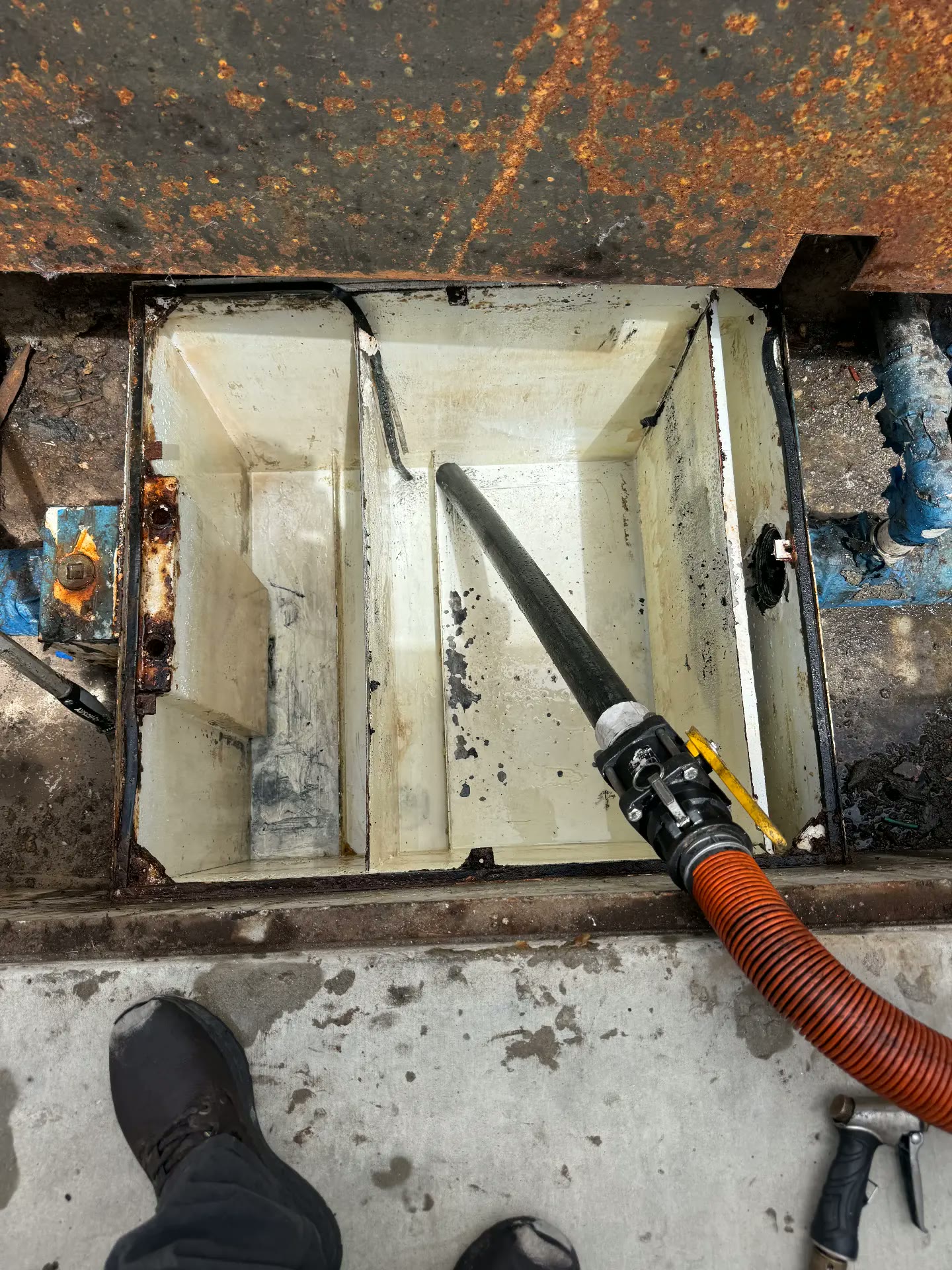
A lot of grease trap "cleaning" is just skimming the top layer of floating fats. That leaves the settled solids and the crust on the baffles, and the trap fills back up within days. We evacuate the trap completely, scrape the walls, baffles and lid, remove the sludge layer, and confirm the inlet and outlet lines are flowing.
Traps under 50 gallons typically need monthly service; higher-volume fry and wok kitchens often run every two to four weeks. We'll set a frequency that keeps you below the 25% rule your inspector uses.
Every visit includes
- Complete pump-out of liquids, solids and floating grease
- Walls, baffles, tees and lid scraped and wiped
- Visual inspection of components, including inlet and outlet lines
- Gasket and lid condition inspection
- Odor control and clean, spill-free work area
- Waste Manifest Report
- Photos on request for multi-location managers
- Recommendations if the trap is undersized
Grease trap 101
Why grease trap cleaning matters
Every commercial kitchen sends fats, oils and grease, FOG, down the drain. FOG is liquid when it's hot, but it cools, solidifies and clings to the inside of your trap and sewer lines like artery plaque. Your grease trap exists to catch it before it reaches the municipal sewer, and it only works if it's cleaned on schedule.
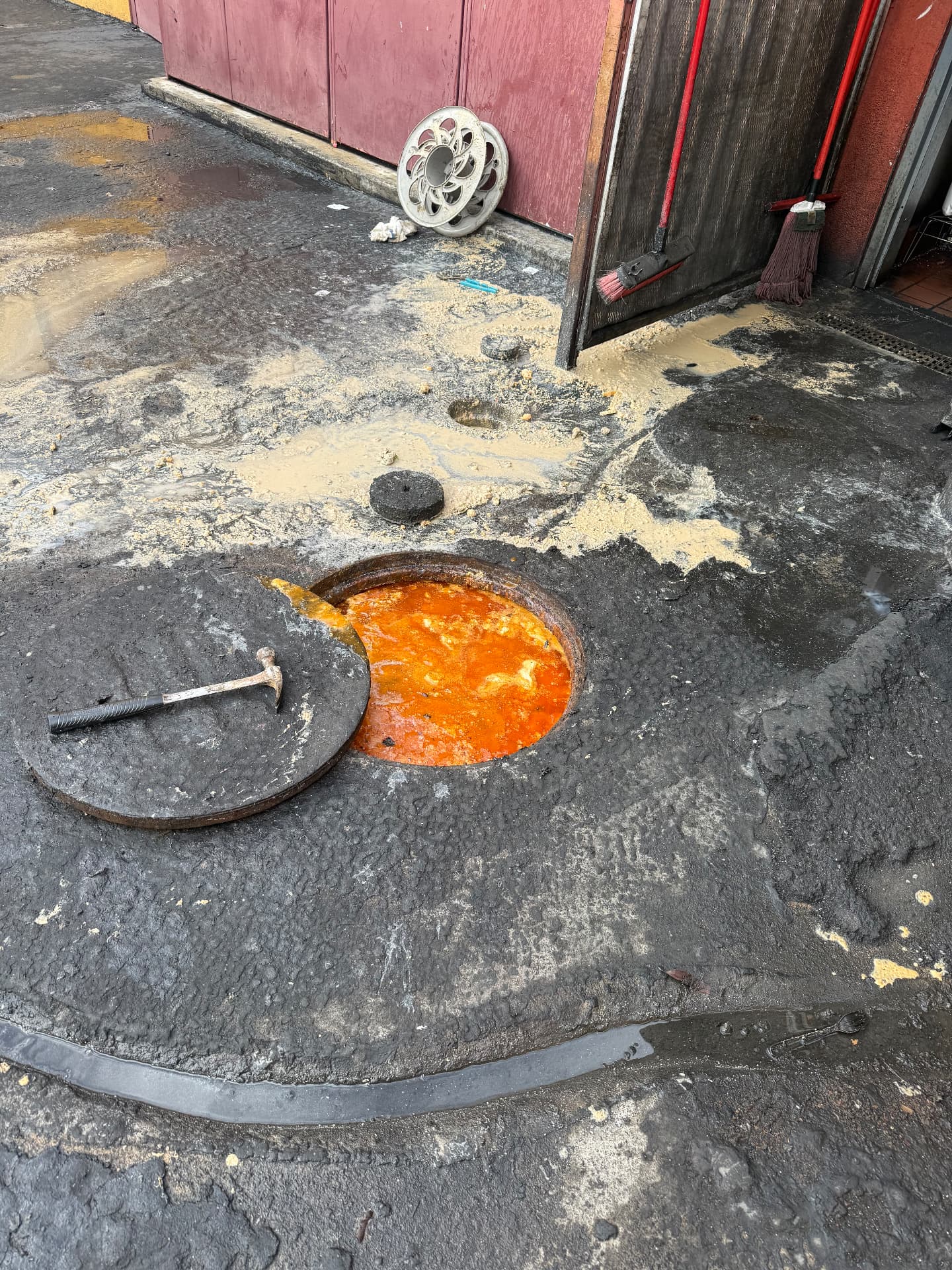
When a trap fills past capacity, FOG passes straight through to the city's lines, where it mixes with other kitchens' grease and forms blockages the industry calls "fatbergs." Those blockages cause sewer overflows into streets and storm drains and Riverside County's FOG control programs trace them back to the businesses responsible, with fines that can reach thousands of dollars per incident.
Inside your building, a neglected trap means slow drains, floor sink backups mid-service, hydrogen-sulfide odors that drive customers away, and pest pressure. Health inspectors can write up an overfull trap, and a sewer spill traced to your kitchen can force a shutdown. A scheduled cleaning costs a fraction of one emergency plumbing call, and keeps your permit safe.
The real risks of skipping service
- Kitchen backups and closures during peak service
- Sewer district fines and FOG program violations
- Health inspection write-ups and permit jeopardy
- Emergency plumbing bills many times the cost of cleaning
- Foul odors that reach the dining room
- Drain flies and pest attraction around the trap
- The 25% rule: over a quarter full means non-compliance
- Permanent damage to laterals and the main sewer line
Warning signs
WHEN IT'S TIME TO CALL FOR GREASE PUMPING SERVICE
Slow drains
Sinks and floor drains backing up during a rush.
Odors
A sour, sewage-like smell near the dish pit or trap.
Visible grease
Grease mat over 25% of the trap's depth.
Inspection notice
A health or sewer district notice with a deadline.
On the job
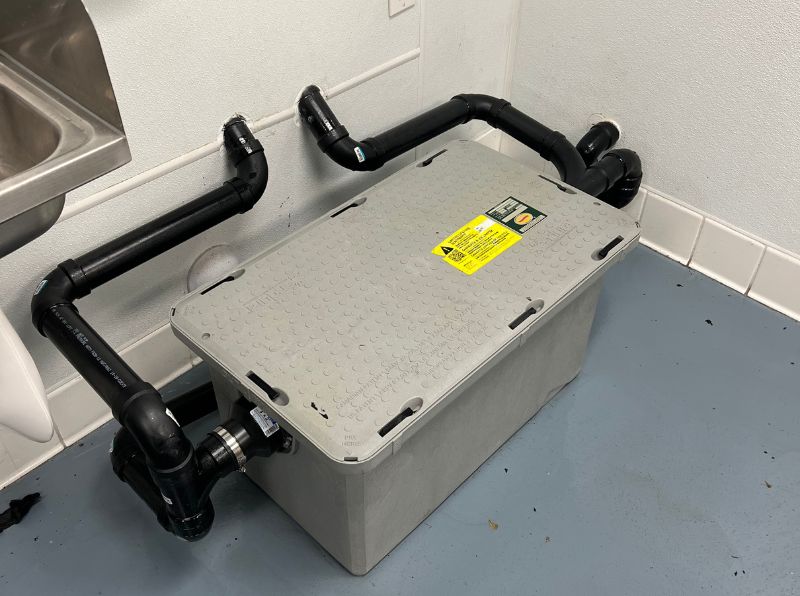
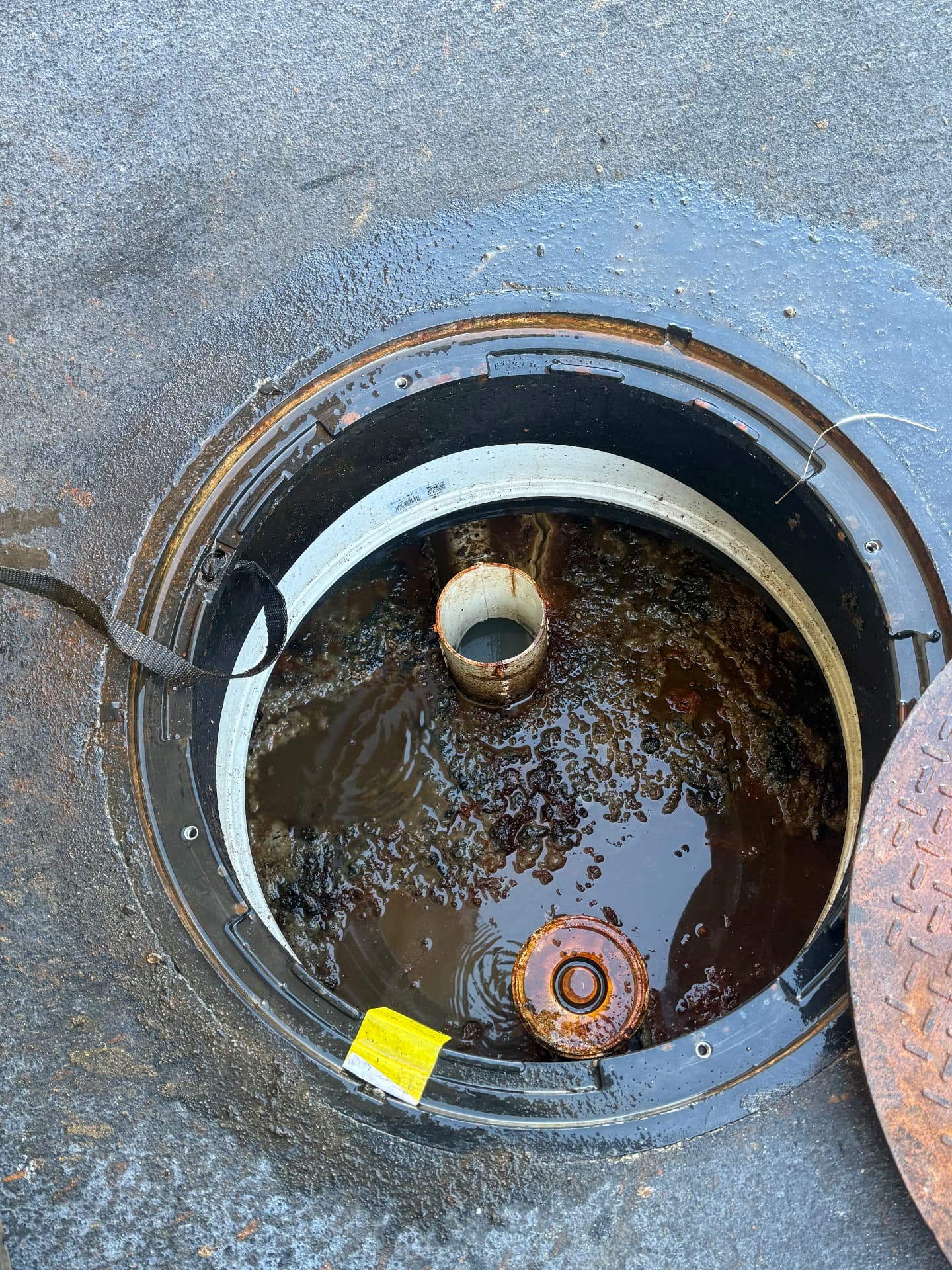
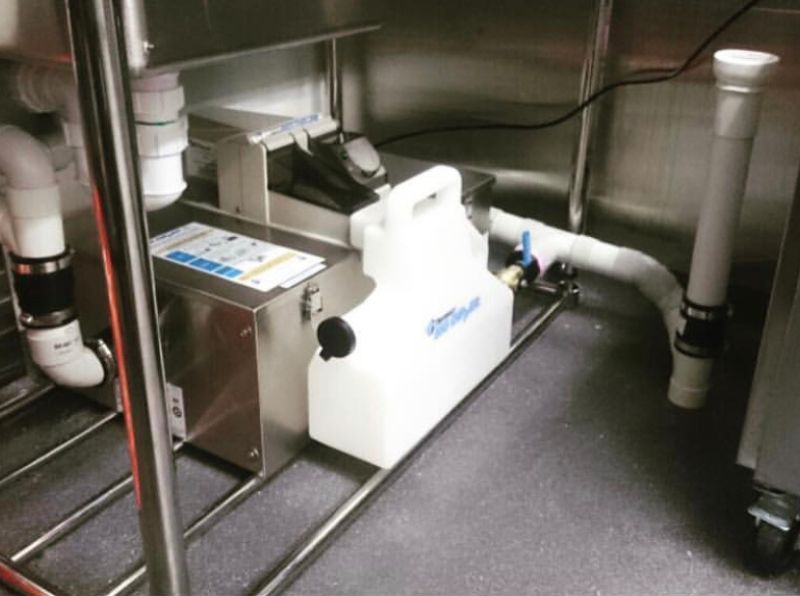
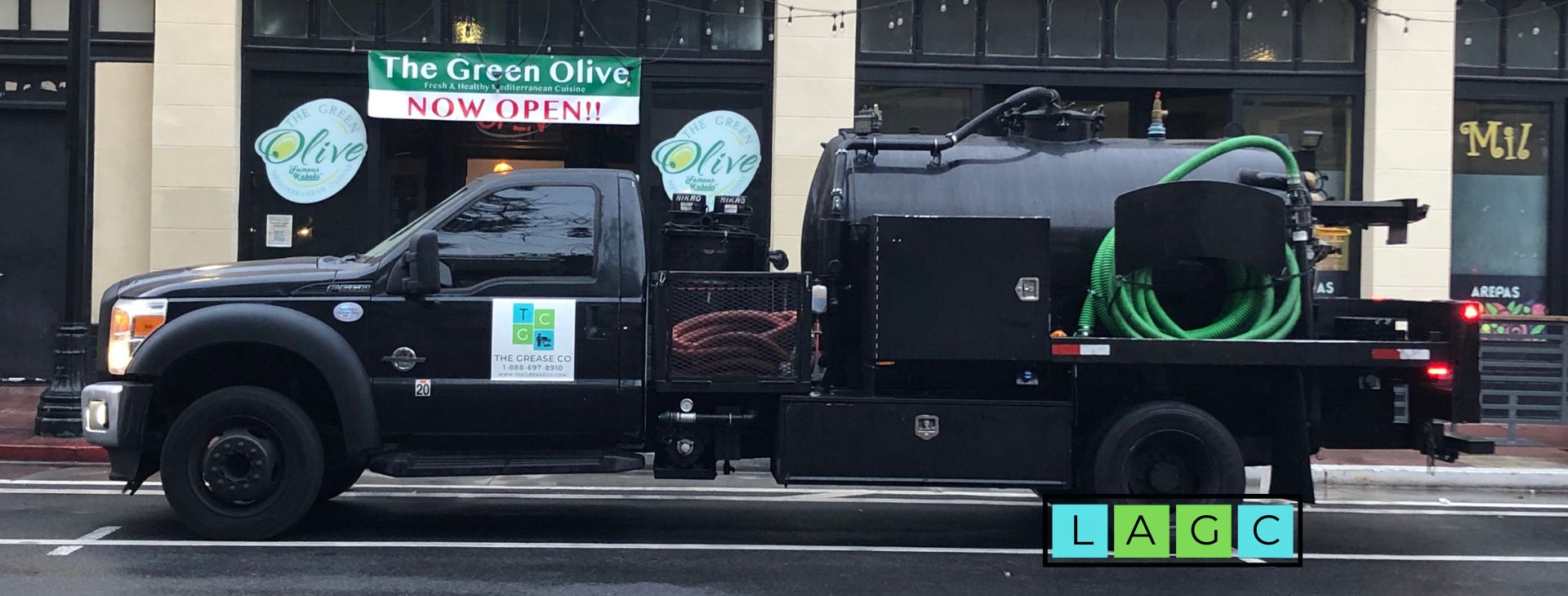
What a real grease trap cleaning looks like
Local service
Grease trap cleaning across Riverside County
We run standing grease trap routes in Riverside, Corona, Moreno Valley, Temecula, Murrieta, Menifee, Hemet, San Jacinto and every other major city in the county, including the Coachella Valley.
What does a grease trap cleaning include?
A complete pump-out of all liquid and solids, scraping of walls, baffles and lid, a rinse-down, an inlet and outlet line check, and a Waste Manifest Report for your records.
How much does grease trap cleaning cost in Riverside?
Pricing depends on trap size, access and service frequency. Under-sink traps are the most affordable; larger units and one-off emergency calls cost more. Call 888-263-6637 for a flat quote on your unit.
Do you clean traps after hours?
Yes. We schedule early mornings, late nights and between-shift windows so service never interrupts your service line.
How do I know when my grease trap is full?
Measure the floating grease and settled solids against the trap's depth. Once the combined layers reach 25% of capacity, it must be pumped. Slow drains, sour odors near the dish pit and grease visible at the lid are all late-stage signs.
Can you service the trap without shutting down my kitchen?
Yes. Under-sink and in-floor traps are serviced in place, usually in under an hour, and we schedule between shifts or after close so the line keeps moving.
Do you provide Waste Manifest Reports for health inspectors?
Every cleaning ends with a Waste Manifest Report showing date, volume removed, service performed and the permitted disposal facility, exactly what Riverside County inspectors ask for.
Do you also pick up our fryer oil?
Yes. Most of our trap accounts bundle used cooking oil collection, so one provider handles the trap inside and the oil out back, with top dollar paid for quality oil.
What happens if I skip cleanings?
Grease hardens in the trap and the outlet line, causing slow drains, backups, odors, health inspection violations and potential sewer district fines. Scheduled cleaning is far cheaper than a backup mid-shift.
Riverside County Service Area
Cities we clean grease traps in
Same crews, same standards, whether you're off the 91 in Corona or on El Paseo in Palm Desert.
- Grease Trap Pumping & Cleaning
- Grease Interceptor Pumping & Cleaning
- Used Cooking Oil Collection & Pick Up
- Cooking Oil Disposal
- Expired Oil Removal
Riverside
Downtown, Canyon Crest and Magnolia Center kitchens
- Grease Trap Pumping & Cleaning
- Grease Interceptor Pumping & Cleaning
- Used Cooking Oil Collection & Pick Up
- Cooking Oil Disposal
- Expired Oil Removal
Corona
Restaurants along the 91 corridor
- Grease Trap Pumping & Cleaning
- Grease Interceptor Pumping & Cleaning
- Used Cooking Oil Collection & Pick Up
- Cooking Oil Disposal
- Expired Oil Removal
Moreno Valley
Schools, hospitals and quick service kitchens
- Grease Trap Pumping & Cleaning
- Grease Interceptor Pumping & Cleaning
- Used Cooking Oil Collection & Pick Up
- Cooking Oil Disposal
- Expired Oil Removal
Temecula
Old Town restaurants and wineries
- Grease Trap Pumping & Cleaning
- Grease Interceptor Pumping & Cleaning
- Used Cooking Oil Collection & Pick Up
- Cooking Oil Disposal
- Expired Oil Removal
Murrieta
Cafes, bakeries and family dining
- Grease Trap Pumping & Cleaning
- Grease Interceptor Pumping & Cleaning
- Used Cooking Oil Collection & Pick Up
- Cooking Oil Disposal
- Expired Oil Removal
Menifee
Newer retail centers and franchises
- Grease Trap Pumping & Cleaning
- Grease Interceptor Pumping & Cleaning
- Used Cooking Oil Collection & Pick Up
- Cooking Oil Disposal
- Expired Oil Removal
Hemet
Care facilities and diners
- Grease Trap Pumping & Cleaning
- Grease Interceptor Pumping & Cleaning
- Used Cooking Oil Collection & Pick Up
- Cooking Oil Disposal
- Expired Oil Removal
San Jacinto
Markets and taquerias
- Grease Trap Pumping & Cleaning
- Grease Interceptor Pumping & Cleaning
- Used Cooking Oil Collection & Pick Up
- Cooking Oil Disposal
- Expired Oil Removal
Perris
Truck stops and warehouse cafeterias
- Grease Trap Pumping & Cleaning
- Grease Interceptor Pumping & Cleaning
- Used Cooking Oil Collection & Pick Up
- Cooking Oil Disposal
- Expired Oil Removal
Lake Elsinore
Casino, brewery and lakefront dining
- Grease Trap Pumping & Cleaning
- Grease Interceptor Pumping & Cleaning
- Used Cooking Oil Collection & Pick Up
- Cooking Oil Disposal
- Expired Oil Removal
Wildomar
Small format restaurants
- Grease Trap Pumping & Cleaning
- Grease Interceptor Pumping & Cleaning
- Used Cooking Oil Collection & Pick Up
- Cooking Oil Disposal
- Expired Oil Removal
Canyon Lake
Clubhouse and community kitchens
- Grease Trap Pumping & Cleaning
- Grease Interceptor Pumping & Cleaning
- Used Cooking Oil Collection & Pick Up
- Cooking Oil Disposal
- Expired Oil Removal
Jurupa Valley
Industrial kitchens and commissaries
- Grease Trap Pumping & Cleaning
- Grease Interceptor Pumping & Cleaning
- Used Cooking Oil Collection & Pick Up
- Cooking Oil Disposal
- Expired Oil Removal
Eastvale
Fast casual and grocery delis
- Grease Trap Pumping & Cleaning
- Grease Interceptor Pumping & Cleaning
- Used Cooking Oil Collection & Pick Up
- Cooking Oil Disposal
- Expired Oil Removal
Norco
Event venues and BBQ kitchens
- Grease Trap Pumping & Cleaning
- Grease Interceptor Pumping & Cleaning
- Used Cooking Oil Collection & Pick Up
- Cooking Oil Disposal
- Expired Oil Removal
Beaumont
Highway 60 corridor restaurants
- Grease Trap Pumping & Cleaning
- Grease Interceptor Pumping & Cleaning
- Used Cooking Oil Collection & Pick Up
- Cooking Oil Disposal
- Expired Oil Removal
Banning
Casinos, diners and travel centers
- Grease Trap Pumping & Cleaning
- Grease Interceptor Pumping & Cleaning
- Used Cooking Oil Collection & Pick Up
- Cooking Oil Disposal
- Expired Oil Removal
Calimesa
Roadside restaurants
- Grease Trap Pumping & Cleaning
- Grease Interceptor Pumping & Cleaning
- Used Cooking Oil Collection & Pick Up
- Cooking Oil Disposal
- Expired Oil Removal
Palm Springs
Hotels, resorts and bars
- Grease Trap Pumping & Cleaning
- Grease Interceptor Pumping & Cleaning
- Used Cooking Oil Collection & Pick Up
- Cooking Oil Disposal
- Expired Oil Removal
Cathedral City
Family restaurants and markets
- Grease Trap Pumping & Cleaning
- Grease Interceptor Pumping & Cleaning
- Used Cooking Oil Collection & Pick Up
- Cooking Oil Disposal
- Expired Oil Removal
Rancho Mirage
Resorts and country clubs
- Grease Trap Pumping & Cleaning
- Grease Interceptor Pumping & Cleaning
- Used Cooking Oil Collection & Pick Up
- Cooking Oil Disposal
- Expired Oil Removal
Palm Desert
El Paseo dining district
- Grease Trap Pumping & Cleaning
- Grease Interceptor Pumping & Cleaning
- Used Cooking Oil Collection & Pick Up
- Cooking Oil Disposal
- Expired Oil Removal
Indian Wells
Resort and event catering kitchens
- Grease Trap Pumping & Cleaning
- Grease Interceptor Pumping & Cleaning
- Used Cooking Oil Collection & Pick Up
- Cooking Oil Disposal
- Expired Oil Removal
La Quinta
Hotels and golf club kitchens
- Grease Trap Pumping & Cleaning
- Grease Interceptor Pumping & Cleaning
- Used Cooking Oil Collection & Pick Up
- Cooking Oil Disposal
- Expired Oil Removal
Indio
Festival grounds and casinos
- Grease Trap Pumping & Cleaning
- Grease Interceptor Pumping & Cleaning
- Used Cooking Oil Collection & Pick Up
- Cooking Oil Disposal
- Expired Oil Removal
Coachella
Markets, panaderias and taquerias
- Grease Trap Pumping & Cleaning
- Grease Interceptor Pumping & Cleaning
- Used Cooking Oil Collection & Pick Up
- Cooking Oil Disposal
- Expired Oil Removal
Desert Hot Springs
Spas and small restaurants
- Grease Trap Pumping & Cleaning
- Grease Interceptor Pumping & Cleaning
- Used Cooking Oil Collection & Pick Up
- Cooking Oil Disposal
- Expired Oil Removal
Step by step
Our grease trap cleaning process, step by step
Every trap service follows the same documented sequence, from securing the site to disposal at a licensed receiving facility.
Site preparation and access
Secure the work area and locate all accessible grease trap covers. Inspect the surrounding area for access restrictions, existing damage or unsafe conditions before beginning service.
Open covers and lids
Carefully remove all accessible covers and lids to expose the grease trap compartments. Covers are placed in a secure location to prevent damage and maintain a safe work area.
Initial visual assessment
Inspect the grease trap contents and note the approximate levels of floating grease, wastewater and settled solids. Visible conditions are documented before pumping begins.
Vacuum extraction
Using a commercial vacuum truck we remove the grease trap contents: floating fats, oils and grease, wastewater, food particles and debris, and settled sludge and solids. All accessible compartments are pumped for a complete cleaning.
Interior wall and component scraping
Scrape accessible grease and solid buildup from the interior walls, baffles, tees and other reachable components. All work is performed from outside the grease trap; confined space entry is not included.
Removal of remaining material
Vacuum the loosened grease, sludge and debris created during scraping. Additional extraction is performed as necessary to leave the accessible areas visibly clean.
Visual component inspection
Inspect accessible components for visible signs of damage or deterioration: inlet and outlet tees, baffles and divider walls, pipe connections, interior walls, and covers, lids and frames. Any visible damage, missing components or recommended repairs are documented and reported to the customer.
Service documentation
Record the grease trap condition and service details. Before and after photographs may be included when required or available.
Secure covers and lids
Reinstall all covers and lids securely. Each cover is confirmed properly seated and the surrounding service area is left clean and orderly.
Waste Manifest Report completion
Complete the required Waste Manifest Report and service report, including the service location, estimated quantity removed, waste classification and disposal information.
Transportation and disposal
Transport the collected non hazardous grease trap waste using the vacuum truck and dispose of it at an authorized, licensed waste receiving facility in accordance with applicable requirements, under CDFA License # TK 1171.
Licensed hauler
Licensed by the CDFA, CDFA License # TK 1171
We are licensed by the California Department of Food and Agriculture (CDFA) as a registered transporter of inedible kitchen grease, license number TK 1171. You can verify our decal and license status directly on the state lookup.
Verify CDFA License # TK 1171 on the CDFA lookupVideo library
Watch grease service in action
Clips from our crews pumping traps and interceptors, plus quick tips on keeping your kitchen compliant.
24 Hour Support Available
Schedule grease trap cleaning today
Same-week scheduling across Riverside County with 24 hour support available. Services are first come, first served, and emergency services are based on availability.