24 HOUR SUPPORT AVAILABLE · RIVERSIDE COUNTY BY TGC

1-888-263-6637
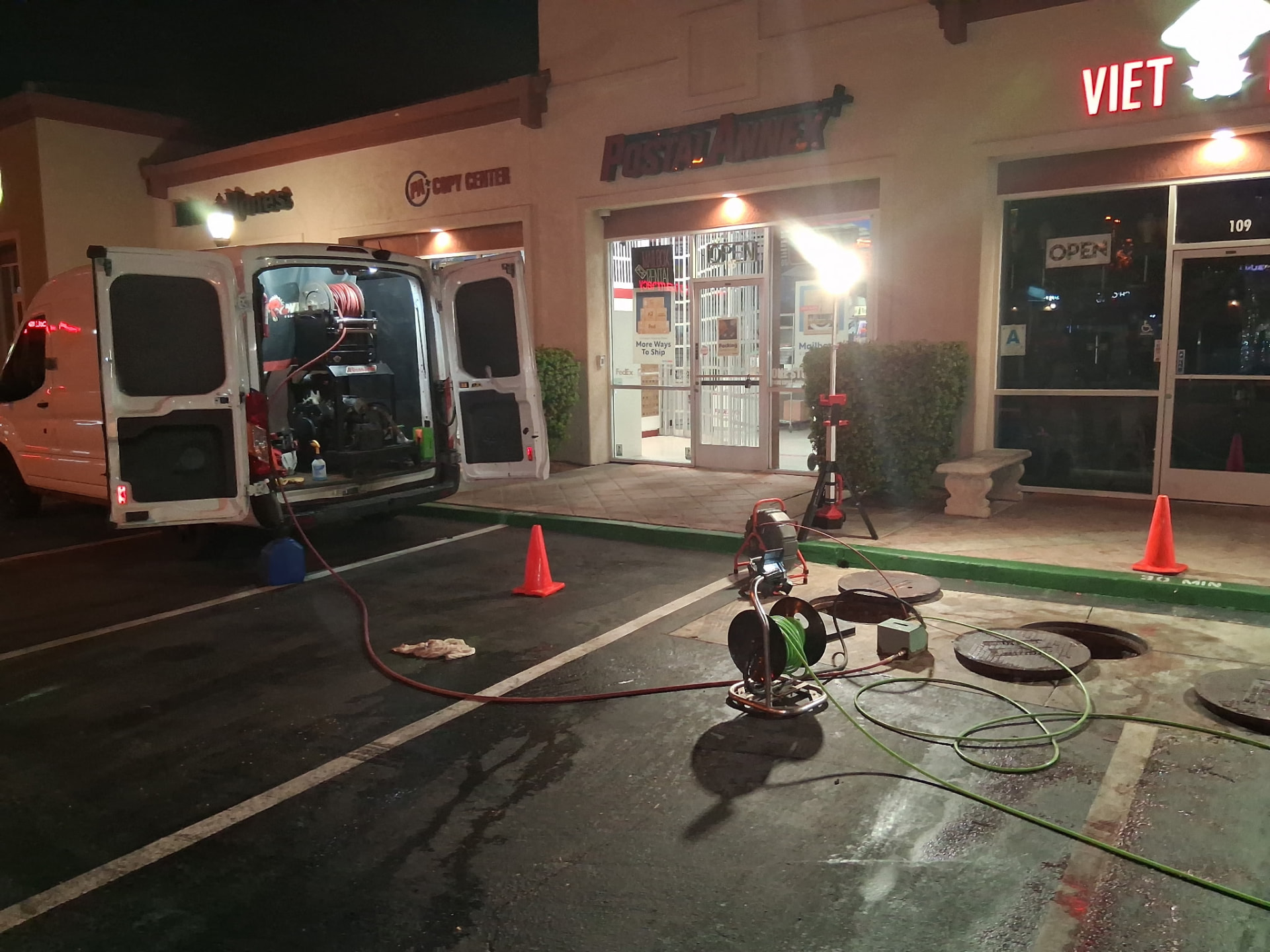
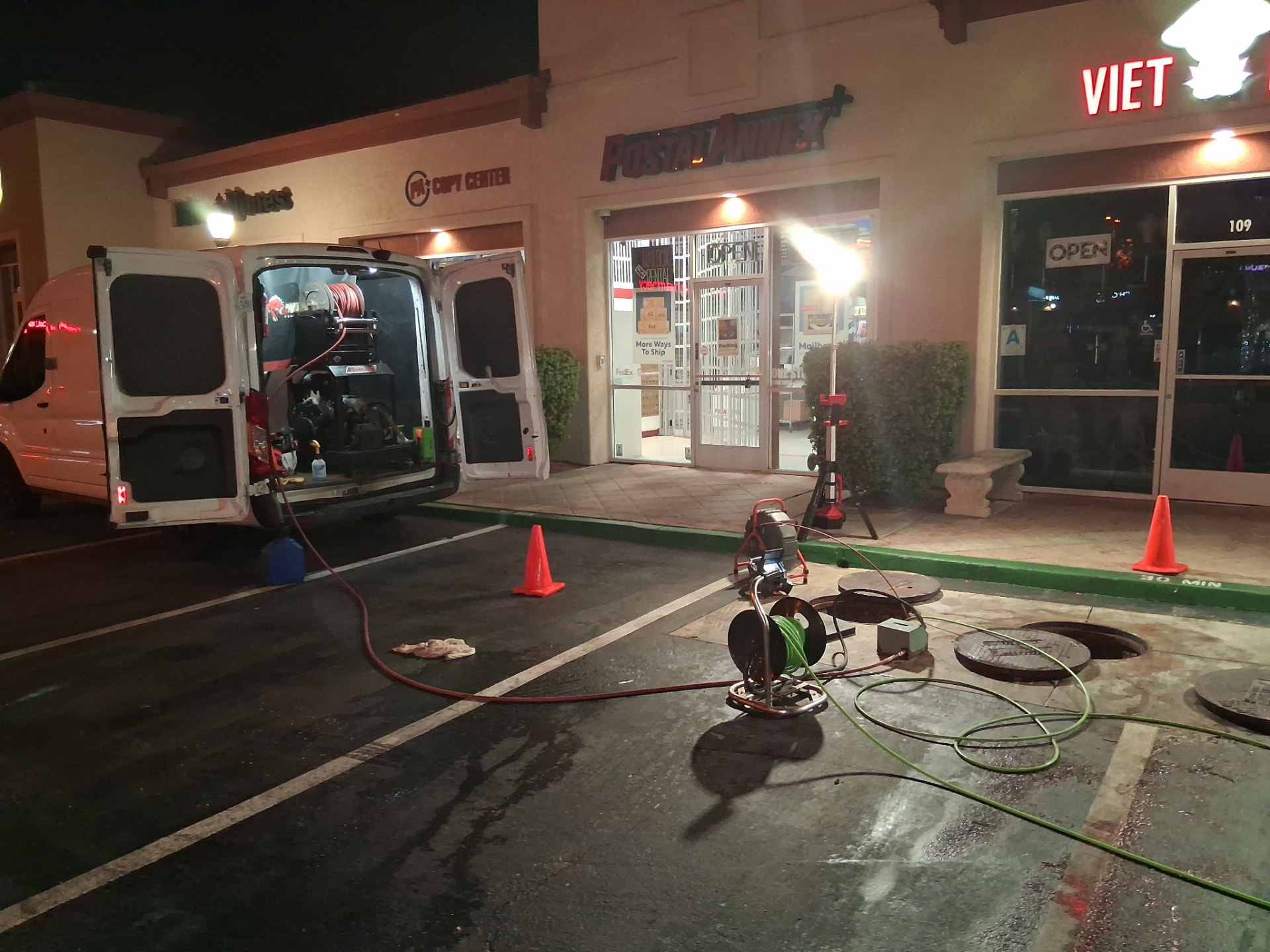
Service van and hose reel set up for grease line jetting at a restaurant in Banning, California

Banning, California · 24 Hour Support Available

Grease Trap Cleaning & Interceptor Pumping in Banning, CA

Grease work in Banning is done on your clock, early mornings, late nights or between shifts, with photos and paperwork you can hand to an inspector.

Call Now 1-888-263-6637 info@thegreasecompany.com

Commercial kitchen guide

Commercial grease trap cleaning and interceptor pumping in Banning, CA

Whether a Banning facility uses a compact indoor trap or a large outdoor interceptor, the goal is the same: retain FOG and solids until a licensed hauler removes them properly.

01 · Banning guidance

What grease does to Banning sewer lines

Fryer oil, sauces, meat fats and wash water can carry FOG into a drain. Once cooled, that material can combine with solids and build a blockage.

For Banning operators, scraping cookware, using drain screens, keeping fryer oil in a dedicated container and maintaining grease equipment are practical ways to protect both the building and the sewer system.

  • Never pour fryer oil into a sink, floor drain or storm drain
  • Keep food solids out of grease waste lines
  • Clean equipment before it reaches its working limit

02 · Banning guidance

Grease trap or interceptor: what does your Banning kitchen have?

A grease trap is generally smaller, located indoors near one or more kitchen fixtures and designed for lower wastewater volumes. Its limited capacity usually means more frequent cleaning.

A grease interceptor is generally much larger and installed underground outside the building. It can receive higher flows and may hold hundreds or thousands of gallons, but it still needs complete evacuation of grease, wastewater and settled solids.

In either system, removing only the floating grease leaves sludge and lost capacity behind. Proper service empties the unit, removes adhered material and includes a visual inspection of accessible components.

03 · Banning guidance

Set the Banning service interval from real buildup

There is no single interval that fits every Banning kitchen. Trap or interceptor size, meals served, menu, frying volume, food solids and plumbing condition all affect how quickly capacity is used.

The 25% rule is a practical benchmark: service is due before the combined grease and settled solids reach one quarter of the unit's operating depth. Smaller traps may need service every few weeks; larger interceptors often run on a longer measured cycle.

Waiting for odor, slow drains or a backup means the equipment has already lost useful capacity. Recorded depth readings make it possible to adjust the next Banning visit before that happens.

04 · Banning guidance

Waste Manifest Reports and Banning service records

After service, keep the Waste Manifest Report with pumping dates, gallons removed, equipment observations and disposal information. Before-and-after photographs can add useful condition evidence.

A consistent record helps a Banning manager answer inspection questions and shows whether the current service interval is controlling accumulation. It also creates a maintenance history for landlords, facilities teams and future operators.

  • Waste Manifest Report
  • Service date and gallons removed
  • Visual inspection of components
  • Disposal and maintenance history

05 · Banning guidance

Protecting Banning sewers and storm drains

Wash water from mats, dumpsters or oil-container areas should not carry grease to a street or storm drain. Storm drains do not provide the same treatment path as a sanitary sewer.

Preventive cleaning protects the restaurant first, but it also reduces grease entering community wastewater infrastructure. Official links below help Banning businesses confirm the requirements that apply to their property.

Official information for Banning

Local wastewater, food-facility and sewer resources

Requirements can vary by property and wastewater provider. Use these official sources to confirm what applies to a Banning location.

Build a safer Banning cleaning schedule

Tell us the equipment size, last service date and access conditions. We will provide a flat quote and the next first-come, first-served opening.
Where we work in Banning

Riverside County, California — we come to your kitchen or facility

Banning sits in our Pass Area route. Trucks stage locally, so most calls are covered same week and emergencies the same day.

View our Google Business Profile

Verified business hours

Open 24 hours, 7 days a week

  • MondayOpen 24 hours
  • TuesdayOpen 24 hours
  • WednesdayOpen 24 hours
  • ThursdayOpen 24 hours
  • FridayOpen 24 hours
  • SaturdayOpen 24 hours
  • SundayOpen 24 hours
  • Support line24 hour support available

Local coverage

ZIP codes we serve in Banning

Our trucks cover every Banning ZIP code on a standing route. If your kitchen is in any of the ZIP codes below, you are on our service map with scheduled pickups, on call service and 24 hour support available.

  • 92220

Local service

Grease management for Banning kitchens

Grease work in Banning means dealing with Casinos, diners and travel centers, tight alleys and shared lots, so crews plan access before the truck arrives.

Because we handle traps, interceptors and used cooking oil, one call covers your entire FOG program in Banning: grease pumped out, oil hauled off, Waste Manifest Reports filed and your inspector satisfied.

New account? Send a photo of your trap or interceptor lid to info@thegreasecompany.com and we will size the job, quote a flat rate and put you on a route that fits your volume.

What we do in Banning

  • Grease trap cleaning in Banning with full pump-out, walls and baffles scraped
  • Grease interceptor pumping in Banning for 500 to 3,000+ gallon in-ground tanks
  • Used cooking oil collection in Banning with containers provided and top dollar paid
  • Visual inspection of components, including inlet and outlet lines
  • Waste Manifest Reports for Riverside County FOG compliance
  • After hours and between-shift scheduling
  • 24 hour support available for backups and overflows
  • Unused, expired or out of compliance oil hauled away

Three services, one provider

Banning grease services explained

Grease Trap Cleaning in Banning

Under-sink and in-floor traps fully evacuated, scraped and line checked so your Banning kitchen never backs up mid-shift. Typical service takes under an hour and includes a compliance Waste Manifest Report.

Learn more

Grease Interceptor Pumping in Banning

Outdoor in-ground interceptors pumped to the bottom, tees inspected, lids reseated and waste hauled to a permitted facility with documentation for your sewer district.

Learn more

Used Cooking Oil Pickup in Banning

Sealed containers provided, scheduled spill-free pickups and top dollar paid for quality fryer oil and tallow. We also remove expired or out of compliance oil.

Learn more

Looking for cooking oil collection specifically? Banning has its own dedicated page covering used, virgin and expired oil pickup, accepted food grade oils and fats, bulk loads, buyback pricing and recycling.

Cooking Oil Collection & Grease Pick Up Near Me Banning

Identify your grease system

Grease trap or interceptor in Banning?

Location and access points are the quickest clues. Compare the two systems below before requesting service in Banning.

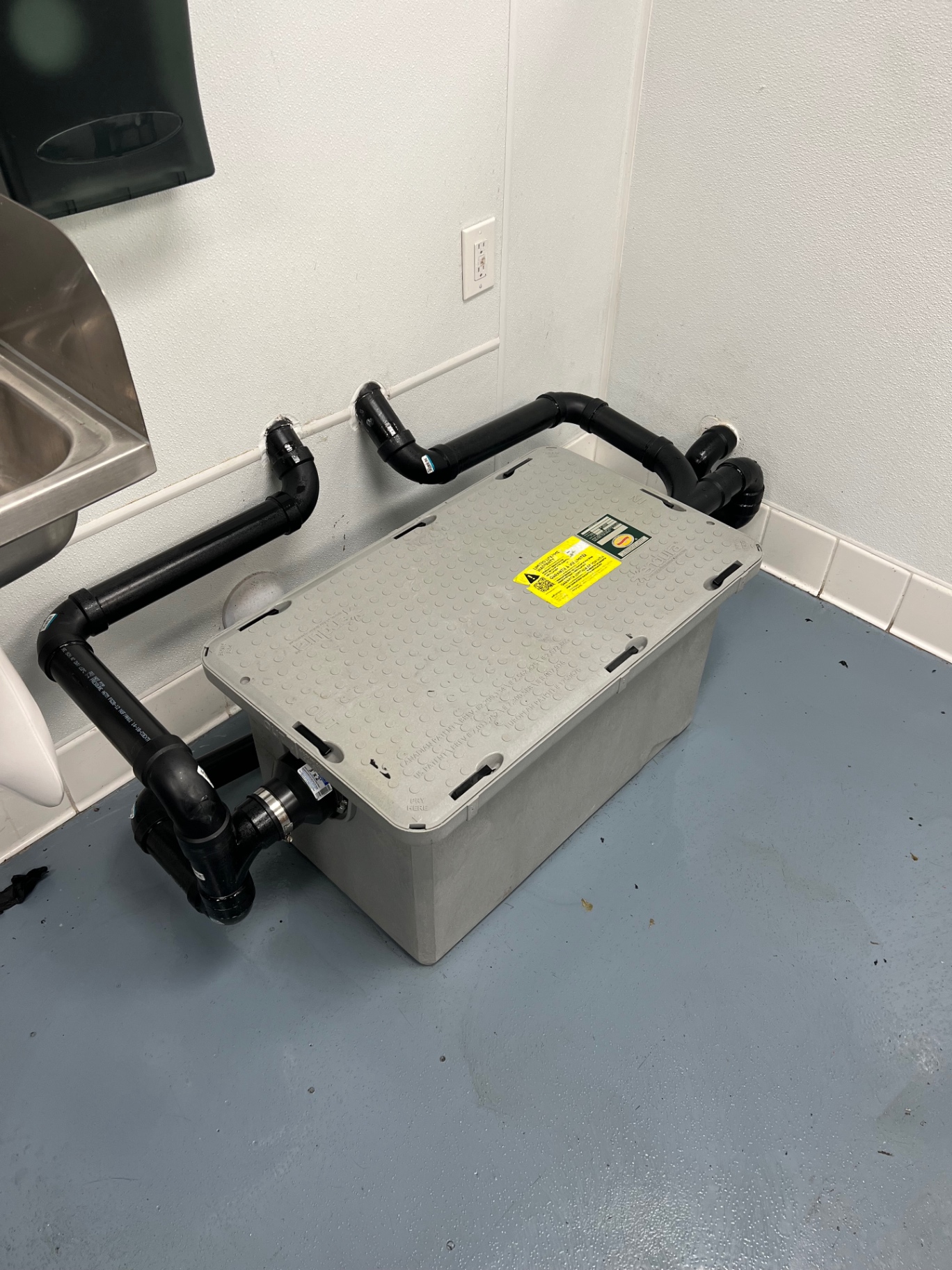
Small indoor grease trap serving a commercial kitchen in Banning, California

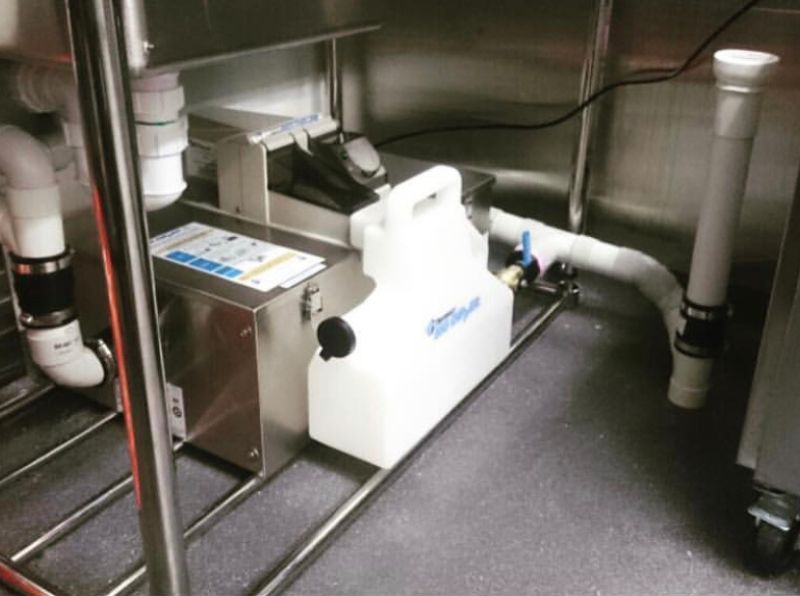
Grease trap cleaning in Banning

This is a compact grease trap installed indoors, commonly beneath a sink, beside a dish station or in the kitchen floor. It serves selected fixtures, holds less material and usually needs more frequent cleaning than an outdoor interceptor.

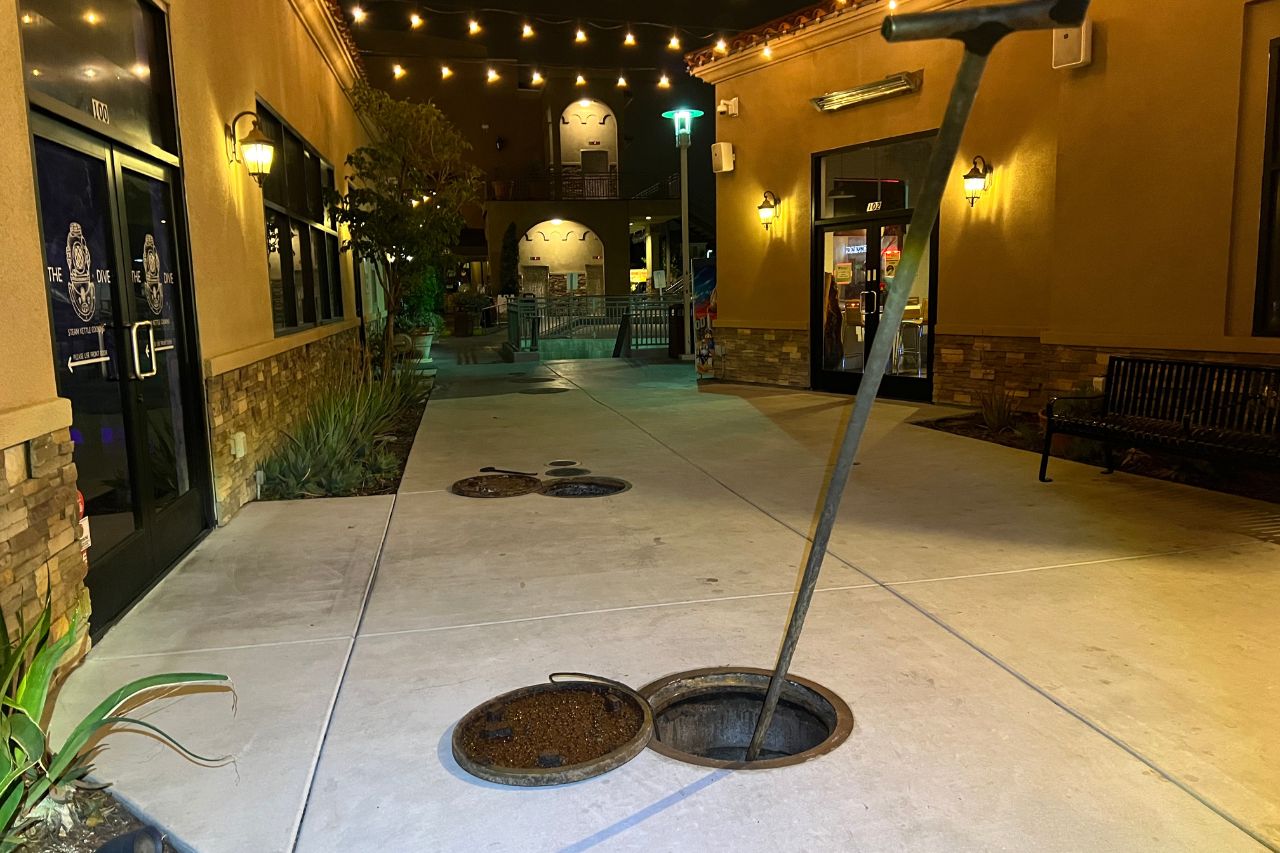
Large outdoor grease interceptor with open manholes ready for pumping in Banning, California

Grease interceptor pumping in Banning

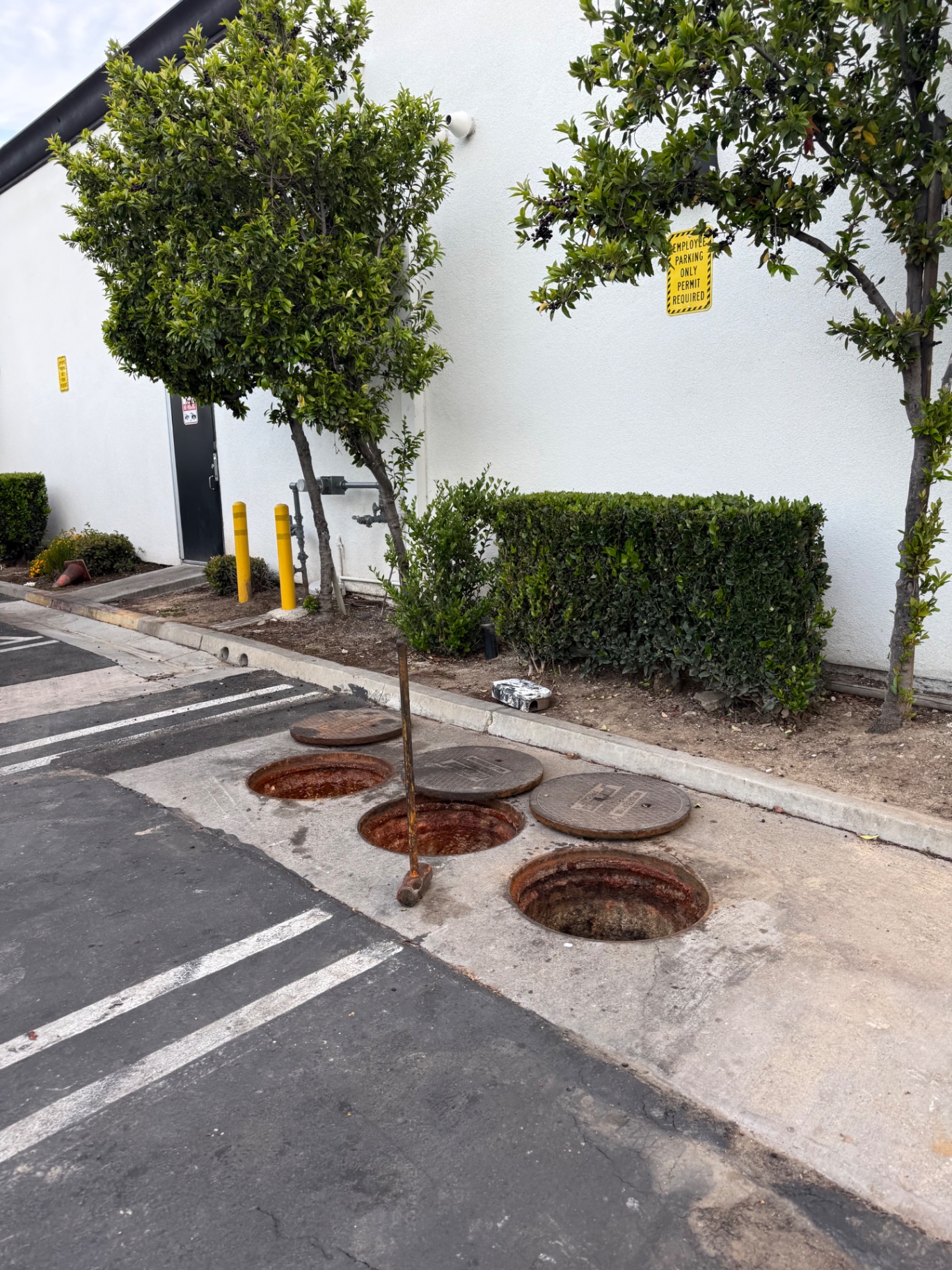
This is a large underground grease interceptor, usually identified by two or more manhole covers in a parking lot, alley or service area. A vacuum truck opens every accessible compartment and removes the grease cap, wastewater and settled solids.

Grease trap service

Keeping Banning traps under the 25% line

Riverside County FOG programs judge a trap by how much of its depth is grease and solids. Past a quarter, you are out of compliance, whatever the calendar says.

Our Banning crews record that measurement each visit and adjust your route frequency before it becomes a violation.

You keep a running paper trail: dated Waste Manifest Reports, volumes removed and the permitted facility that received the load.

Every trap service includes

  • Complete pump-out, never just a skim
  • Walls, baffles and tees scraped clean
  • Inlet and outlet line flow check
  • 25% rule measurement recorded
  • Signed compliance Waste Manifest Report
  • Recurring schedule set to your volume
  • After hours service windows
  • 24 hour support available

Step by step

Grease trap cleaning procedure for Banning accounts

Every Banning service call follows the same documented sequence so nothing gets skipped and your records match the work performed.

Step 1

Site preparation and access

Secure the work area and locate all accessible grease trap covers. Inspect the surrounding area for access restrictions, existing damage or unsafe conditions before beginning service.

Step 2

Open covers and lids

Carefully remove all accessible covers and lids to expose the grease trap compartments. Covers are placed in a secure location to prevent damage and maintain a safe work area.

Step 3

Initial visual assessment

Inspect the grease trap contents and note the approximate levels of floating grease, wastewater and settled solids. Visible conditions are documented before pumping begins.

Step 4

Vacuum extraction

Using a commercial vacuum truck we remove the grease trap contents: floating fats, oils and grease, wastewater, food particles and debris, and settled sludge and solids. All accessible compartments are pumped for a complete cleaning.

Step 5

Interior wall and component scraping

Scrape accessible grease and solid buildup from the interior walls, baffles, tees and other reachable components. All work is performed from outside the grease trap; confined space entry is not included.

Step 6

Removal of remaining material

Vacuum the loosened grease, sludge and debris created during scraping. Additional extraction is performed as necessary to leave the accessible areas visibly clean.

Step 7

Visual component inspection

Inspect accessible components for visible signs of damage or deterioration: inlet and outlet tees, baffles and divider walls, pipe connections, interior walls, and covers, lids and frames. Any visible damage, missing components or recommended repairs are documented and reported to the customer.

Step 8

Service documentation

Record the grease trap condition and service details. Before and after photographs may be included when required or available.

Step 9

Secure covers and lids

Reinstall all covers and lids securely. Each cover is confirmed properly seated and the surrounding service area is left clean and orderly.

Step 10

Waste Manifest Report completion

Complete the required Waste Manifest Report and service report, including the service location, estimated quantity removed, waste classification and disposal information.

Step 11

Transportation and disposal

Transport the collected non hazardous grease trap waste using the vacuum truck and dispose of it at an authorized, licensed waste receiving facility in accordance with applicable requirements, under CDFA License # TK 1171.

Grease interceptor service

Full evacuation interceptor service in Banning

Depth readings are taken before the hose goes in, so you get a real picture of how your Banning tank is loading between visits.

Every accessible compartment is pumped, scraped and re vacuumed rather than just topped off.

Overflow at the lid is treated as urgent; 24 hour support is available and emergency work is based on availability.

Every interceptor service includes

  • Full volume evacuation: grease cap, water, sludge
  • Visual inspection of components, including inlet and outlet tees
  • Lids opened safely and reseated
  • Crossover and sample box checks
  • Grease and sludge level readings recorded
  • Waste hauled to a permitted facility
  • Waste Manifest Report for your sewer district file
  • 24 hour support available for overflows and backups

Step by step

How a grease interceptor cleaning is performed in Banning

Consistency is what keeps Banning kitchens compliant, so the procedure below runs the same way on every visit.

  1. 1

    Site preparation and access

    Secure the work area and locate all accessible interceptor covers. Inspect the surrounding area for access restrictions, existing damage or unsafe conditions before beginning service.

  2. 2

    Open covers and lids

    Carefully remove all accessible covers and lids to expose the interceptor compartments. Covers are placed in a secure location to prevent damage and maintain a safe work area.

  3. 3

    Initial visual assessment

    Inspect the interceptor contents and note the approximate levels of floating grease, wastewater and settled solids. Visible conditions are documented before pumping begins.

  4. 4

    Vacuum extraction

    Using a commercial vacuum truck we remove the interceptor contents: floating fats, oils and grease, wastewater, food particles and debris, and settled sludge and solids. All accessible compartments are pumped for a complete cleaning.

  5. 5

    Interior wall and component scraping

    Scrape accessible grease and solid buildup from the interior walls, baffles, tees and other reachable components. All work is performed from outside the interceptor; confined space entry is not included.

  6. 6

    Removal of remaining material

    Vacuum the loosened grease, sludge and debris created during scraping. Additional extraction is performed as necessary to leave the accessible areas visibly clean.

  7. 7

    Visual component inspection

    Inspect accessible components for visible signs of damage or deterioration: inlet and outlet tees, baffles and divider walls, pipe connections, interior walls, and covers, lids and frames. Any visible damage, missing components or recommended repairs are documented and reported to the customer.

  8. 8

    Service documentation

    Record the interceptor condition and service details. Before and after photographs may be included when required or available.

  9. 9

    Secure covers and lids

    Reinstall all covers and lids securely. Each cover is confirmed properly seated and the surrounding service area is left clean and orderly.

  10. 10

    Waste Manifest Report completion

    Complete the required Waste Manifest Report and service report, including the service location, estimated quantity removed, waste classification and disposal information.

  11. 11

    Transportation and disposal

    Transport the collected non hazardous grease interceptor waste using the vacuum truck and dispose of it at an authorized, licensed waste receiving facility in accordance with applicable requirements, under CDFA License # TK 1171.

Licensed hauler

Licensed by the CDFA, CDFA License # TK 1171

We are licensed by the California Department of Food and Agriculture (CDFA) as a registered transporter of inedible kitchen grease, license number TK 1171, and every Banning pickup is hauled under that license. You can verify our decal and license status directly on the state lookup.

Verify CDFA License # TK 1171 on the CDFA lookup

Total grease management

Total grease management for Banning food service businesses

One provider for your entire FOG program in Banning: grease trap cleaning, grease interceptor pumping and used cooking oil collection on one route, one invoice and one phone number. We track your schedules, keep your Waste Manifest Reports in order and 24 hour support is available when something backs up.

One route, one invoice

Traps, interceptors and used oil handled the same visit in Banning, with bundled pricing that beats three separate vendors.

Compliance handled

Scheduled service, grease cap readings and Waste Manifest Reports keep your Riverside County inspection file ready at all times.

24 hour support available

Backups and overflows in Banning do not wait for business hours. Call 1-888-263-6637 any time. Services are first come, first served, and emergency services are based on availability.

Used cooking oil collection

Used cooking oil collection & pick up in Banning

Every Banning account we run for grease trap or interceptor service also gets used cooking oil collection on the same route. We provide sealed, lockable containers or a tank sized to your fryer volume, set a weekly, biweekly, monthly or on call schedule, and pump the oil out clean with no spills in your alley or parking lot.

We pay top dollar for quality oil in Banning and we take all food grade oils and fats: canola, soybean, peanut, sunflower, corn, olive, blended fryer oil, beef tallow, lard and poultry fat. We also haul off unused, expired or out of compliance oil so it never sits in your back of house.

All used cooking oil containers are not for purchase and are owned by The Grease Company. On any stop of service or cancellation, the customer must return all equipment provided by The Grease Company. Please allow 28 business days for us to remove our equipment.

Collected oil from Banning is recycled into biodiesel, renewable diesel, animal feed ingredients, soaps and industrial products, and every pickup is documented for your records.

Included with every Banning route stop

  • Sealed, lockable indoor or outdoor containers provided
  • Scheduled weekly, biweekly, monthly or on call pick up
  • Top dollar paid for clean, water free fryer oil
  • All food grade oils plus tallow, lard and poultry fat
  • Unused, expired or out of compliance oil removed
  • Spill free pumping and a wiped down container area
  • Documented pickups and recycling paperwork
  • Bundled with trap and interceptor service on one invoice

Cooking oil disposal

Cooking oil disposal in Banning, CA

Pouring fryer oil down a drain or dumpster is the fastest way to a sewer backup and a fine from your district. We handle legal cooking oil disposal for Banning kitchens, hauling used and virgin food grade oil to a permitted facility where it is processed instead of landfilled. You get a Waste Manifest Report and a visual inspection of components on every stop, so your file is ready when an inspector asks.

We accept bulk loads from restaurants, hotels, amusement parks, commissaries, warehouses, transporters and shippers in Banning, from a single fryer to full tanker quantities, and recycle the oil into renewable energy and industrial products.

Expired oil removal

Expired oil removal in Banning

Unused, expired or out of compliance cooking oil still has to leave your building the right way. We remove expired oil in Banning in jugs, cases, drums, totes and bulk containers, provide destruction documentation where required, and pay for product that still qualifies for buyback.

  • Legal disposal at permitted processing facilities
  • Waste Manifest Report and destruction documents
  • Unused, expired and out of compliance product accepted
  • Cases, jugs, drums, totes and bulk loads
  • Quantity and quality based buyback, top dollar paid
  • 24 hour support available for urgent removals

Know before you call

What Banning kitchen operators should watch for

Slow drains at the dish pit

The first sign of a loaded trap is water backing up in the three compartment sink. Once grease reaches a quarter of the trap depth it starts pushing into your outlet line.

Odor near the back door

A sour smell around interceptor lids means the grease cap has hardened and is holding solids. Pumping and scraping clears it the same visit.

Inspection paperwork

Riverside County inspectors ask for service records. Every Banning visit ends with a Waste Manifest Report showing date, gallons removed and disposal facility.

Oil storage that stays clean

Water, rinse buckets and food scraps ruin oil value. Our sealed containers keep oil clean so your kitchen qualifies for the top dollar rate.

On the job

Real grease work around Banning

Most interceptors are in-ground outside the building, and traps sit indoors near the dish pit. We service both and haul your used cooking oil the same trip.

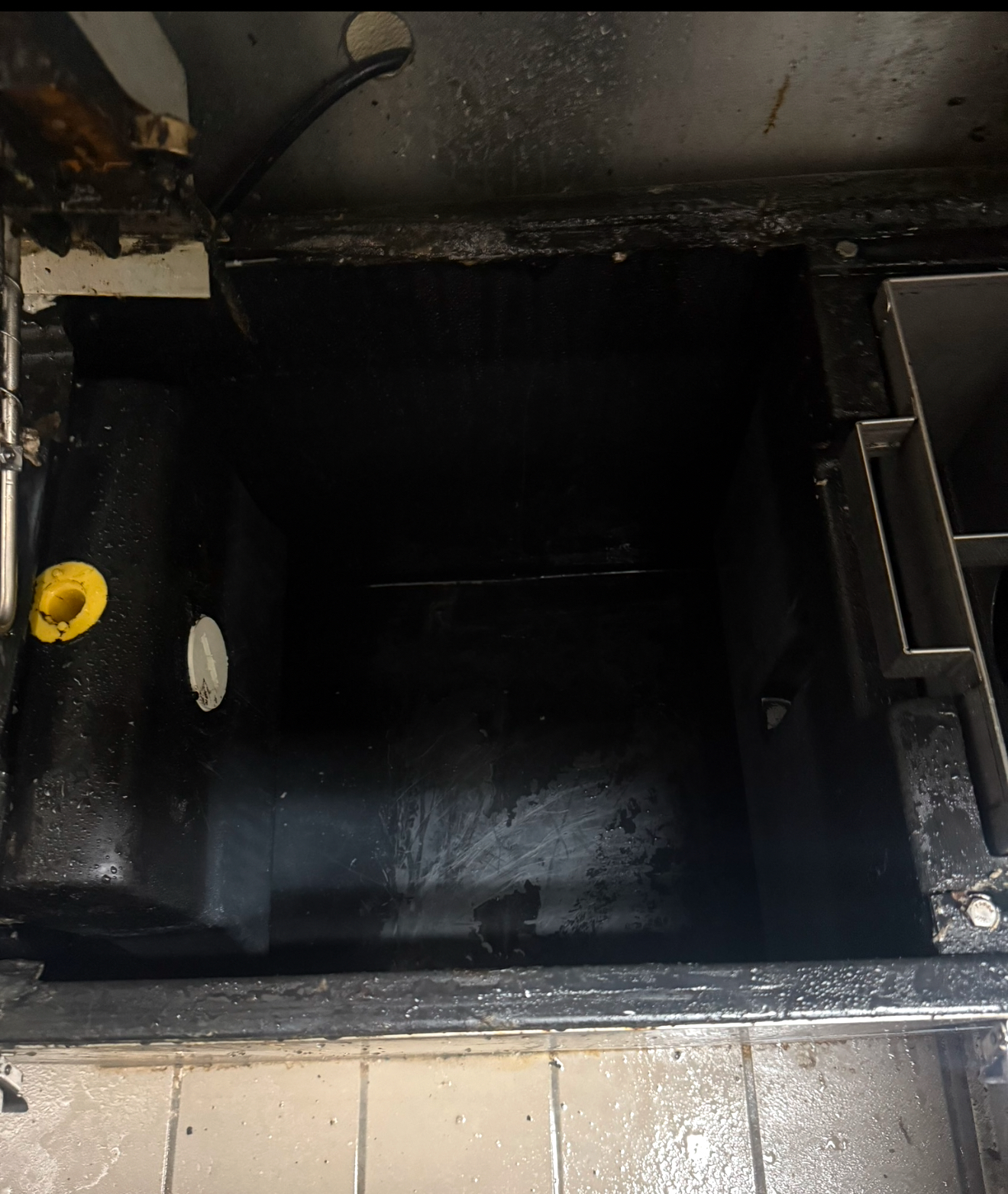
Restaurant grease trap after complete cleaning serving Banning, California
The same trap emptied and cleaned for inspection. Banning commercial kitchens can schedule this service.
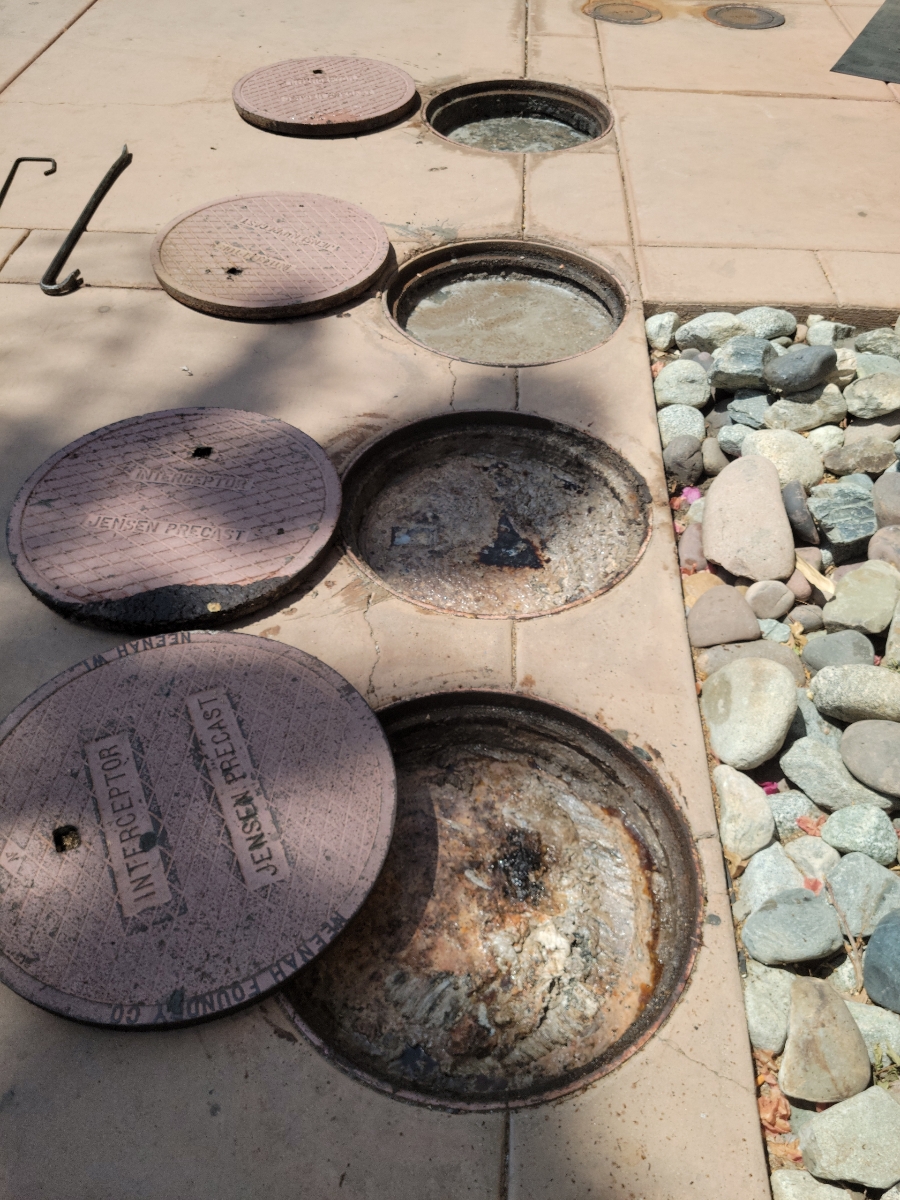
Multiple commercial grease interceptor compartments open for pumping serving Banning, California
Every accessible interceptor compartment is serviced. Banning commercial kitchens can schedule this service.
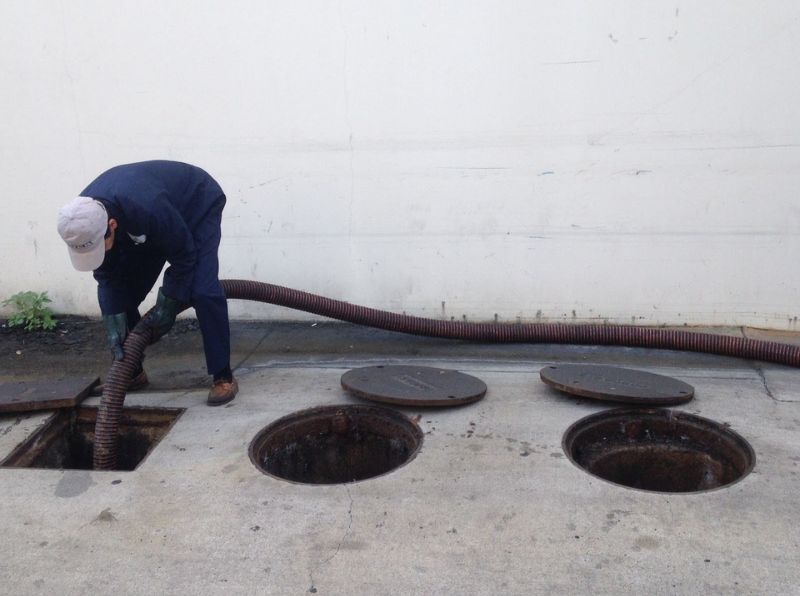
Outdoor grease interceptor being pumped serving Banning, California
Outdoor in-ground interceptor pumping. Banning commercial kitchens can schedule this service.
Technician pumping a commercial grease interceptor serving Banning, California
Tees and baffles inspected during service. Banning commercial kitchens can schedule this service.
Indoor under-sink grease trap in a commercial kitchen serving Banning, California
Indoor trap service planned around kitchen hours. Banning commercial kitchens can schedule this service.
Used cooking oil pumped from a sealed container serving Banning, California
Used cooking oil can be handled on the same visit. Banning commercial kitchens can schedule this service.
Sealed used cooking oil container at a restaurant serving Banning, California
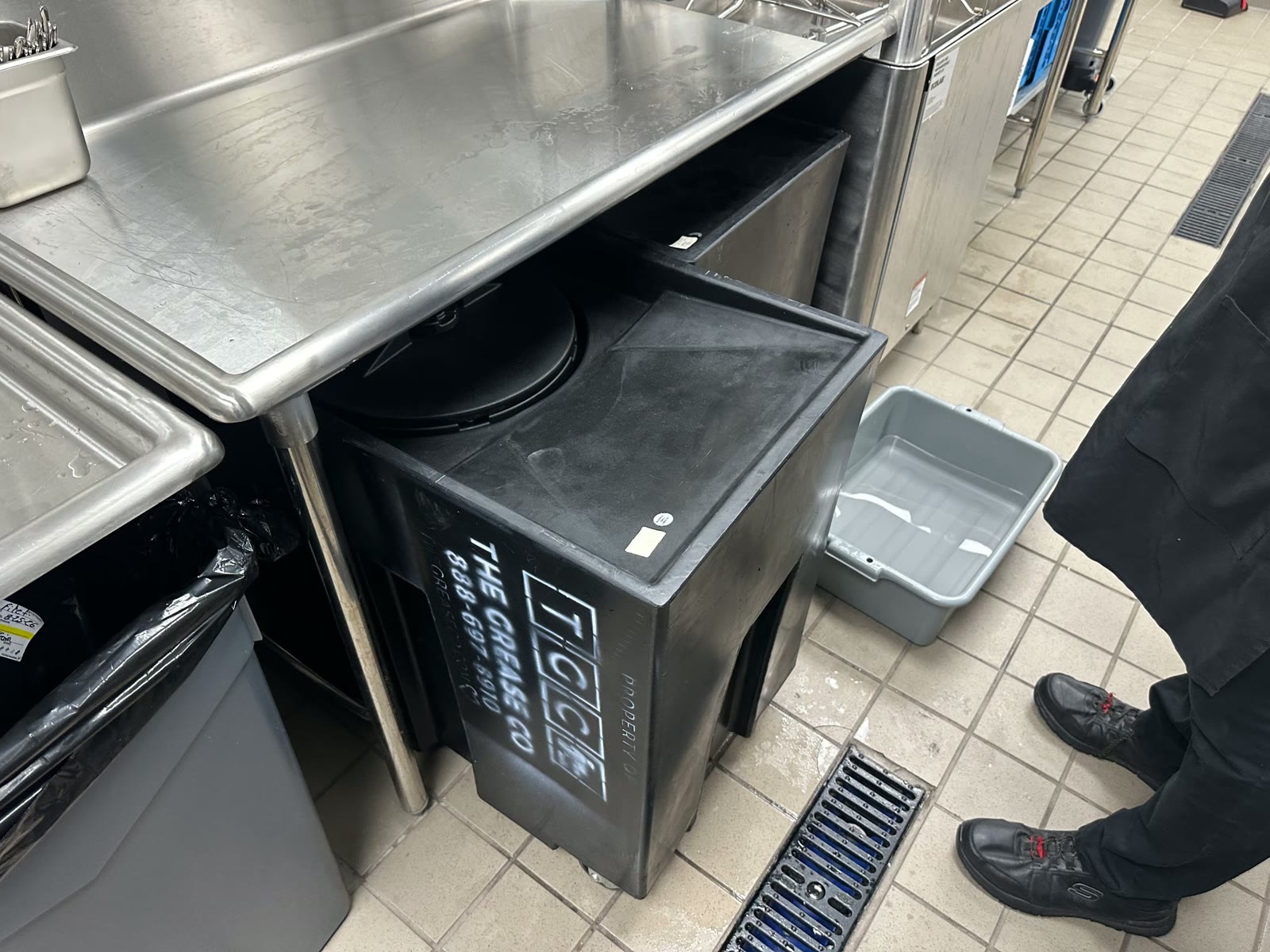
Clean containers support scheduled oil collection. Banning commercial kitchens can schedule this service.
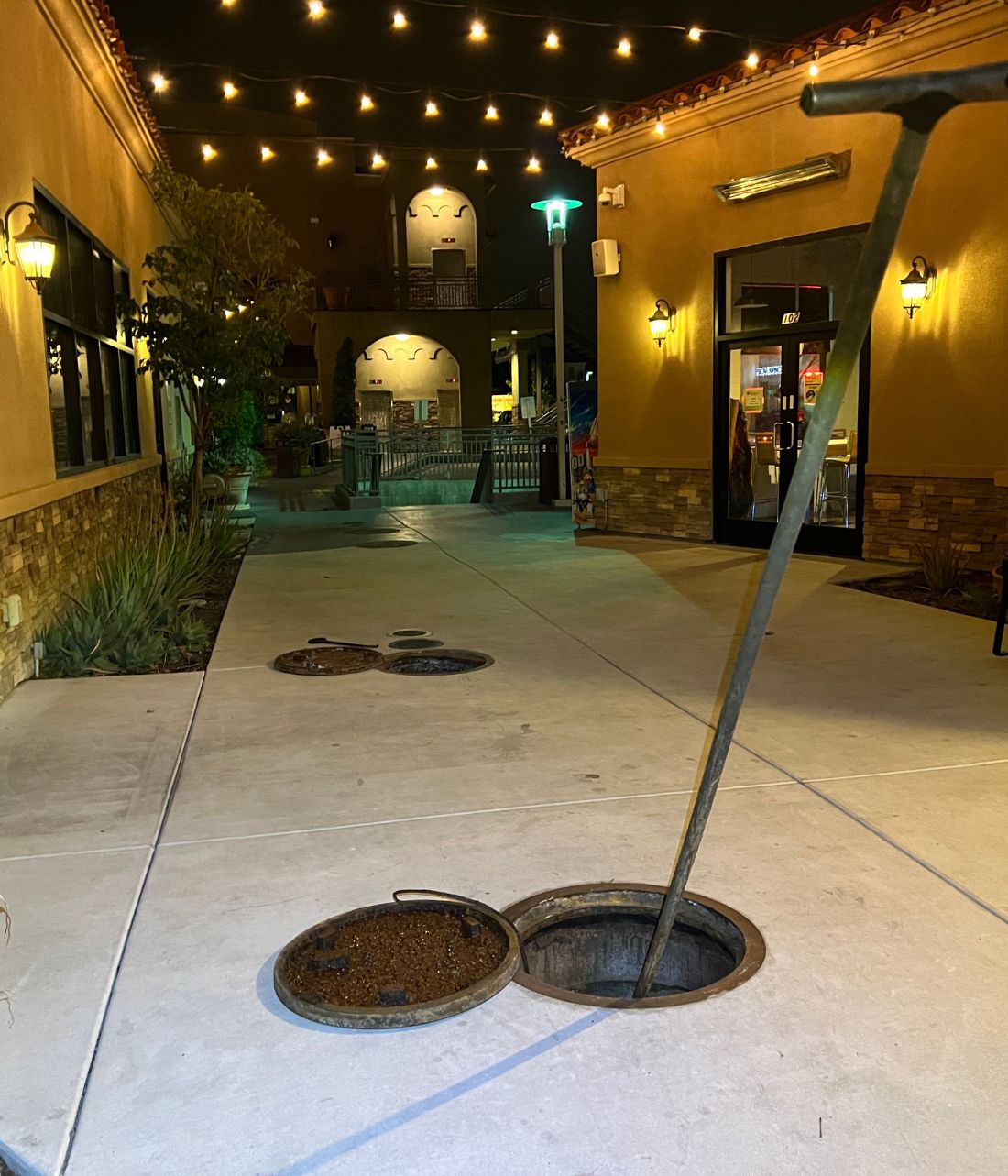
Night grease interceptor pumping at a commercial property serving Banning, California
After-hours pumping with the work area secured. Banning commercial kitchens can schedule this service.
Commercial grease interceptor opened for service serving Banning, California
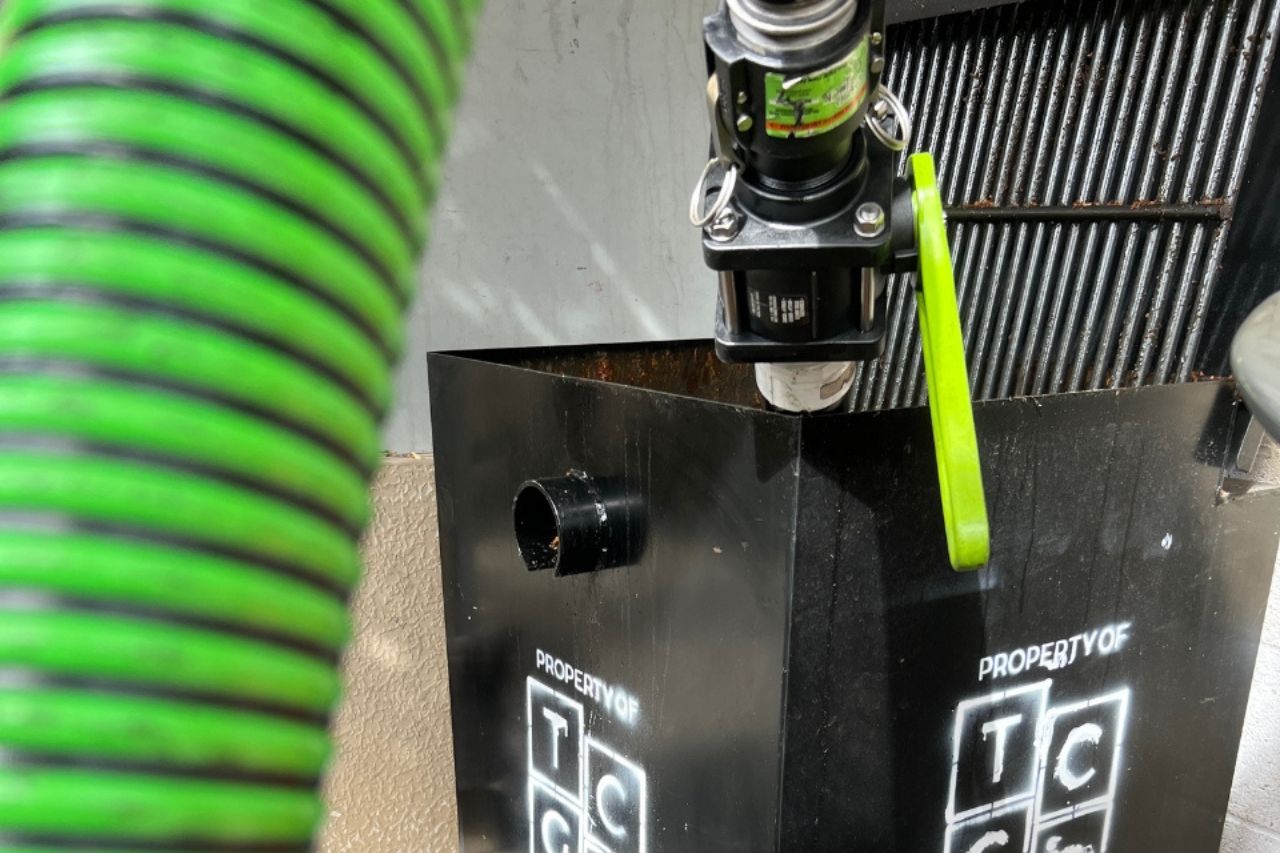
Interceptor access opened before complete evacuation. Banning commercial kitchens can schedule this service.

Video library

See how we service kitchens near Banning

Watch our crews open interceptor lids, evacuate grease caps and pump used cooking oil, then decide what your kitchen needs.

See the full channel on YouTube

Banning FAQs

Grease trap, interceptor and used oil questions in Banning

How often should a Banning restaurant clean its grease trap?

Most Banning kitchens pump under-sink grease traps every 30 days, and fry-heavy or high-volume operations every two to three weeks. The deciding factor is the 25% rule: grease and solids must stay under a quarter of the trap depth.

Do you pump grease interceptors in Banning, CA?

Yes. We pump 500 to 3,000+ gallon in-ground interceptors throughout Banning, including full evacuation of the grease cap, water column and sludge, inlet and outlet tee inspection, and a Waste Manifest Report for your sewer district file.

Is used cooking oil pickup available in Banning?

Yes. We provide sealed indoor bins and lockable outdoor tanks, run scheduled weekly, bi-weekly or monthly pickups in Banning, accept all food grade oils and rendered fats, and pay top dollar for quality used cooking oil. Containers are not for purchase and remain the property of The Grease Company, and must be returned if service stops or is cancelled.

Can you service my Banning kitchen after hours?

We schedule early mornings, late nights and between-shift windows so grease trap cleaning and interceptor pumping in Banning never interrupts service. 24 hour support is available. Services are first come, first served, and emergency services are based on availability.

How much does grease trap cleaning cost in Banning?

Pricing depends on tank size, access and frequency. We quote flat rates before any work starts. Call 1-888-263-6637 or email info@thegreasecompany.com for a price on your Banning location.

Serving nearby cities too: Riverside, Corona, Moreno Valley, Temecula, Murrieta, Menifee. See all service areas

Get a flat quote for your Banning kitchen

Call 1-888-263-6637, 24 hour support available, or email info@thegreasecompany.com with a photo of your trap or interceptor and we will price it today. Services are first come, first served, and emergency services are based on availability.

Request service in Banning

Get a Banning grease trap or cooking oil quote

Tell us what your Banning kitchen needs and our dispatch team will come back with pricing and the next open service window. 24 hour support available.

Type of service (choose one or more)

Requests go straight to our dispatch inbox at info@thegreasecompany.com. Services are first come, first served and emergency service is based on availability.

Call 1-888-263-6637

Nearby cities

Grease trap and interceptor service near Banning

Our Pass Area routes run through these neighboring cities on the same days, so a stop in Banning is usually easy to schedule alongside them.

Also picking up oil? See Banning cooking oil collection. Browse all Riverside County cities.

Local reviews

Rate our grease service in Banning

Reviews from Banning kitchens help other local restaurant owners find dependable grease trap cleaning, grease interceptor pumping and used cooking oil collection. If we pumped your trap, hauled your oil or answered a late night call, please leave a rating on our Google Business Profile.

24 Hour Support Available

Schedule grease service in Banning today

Flat quotes, same-week scheduling and full documentation for every Banning commercial kitchen.